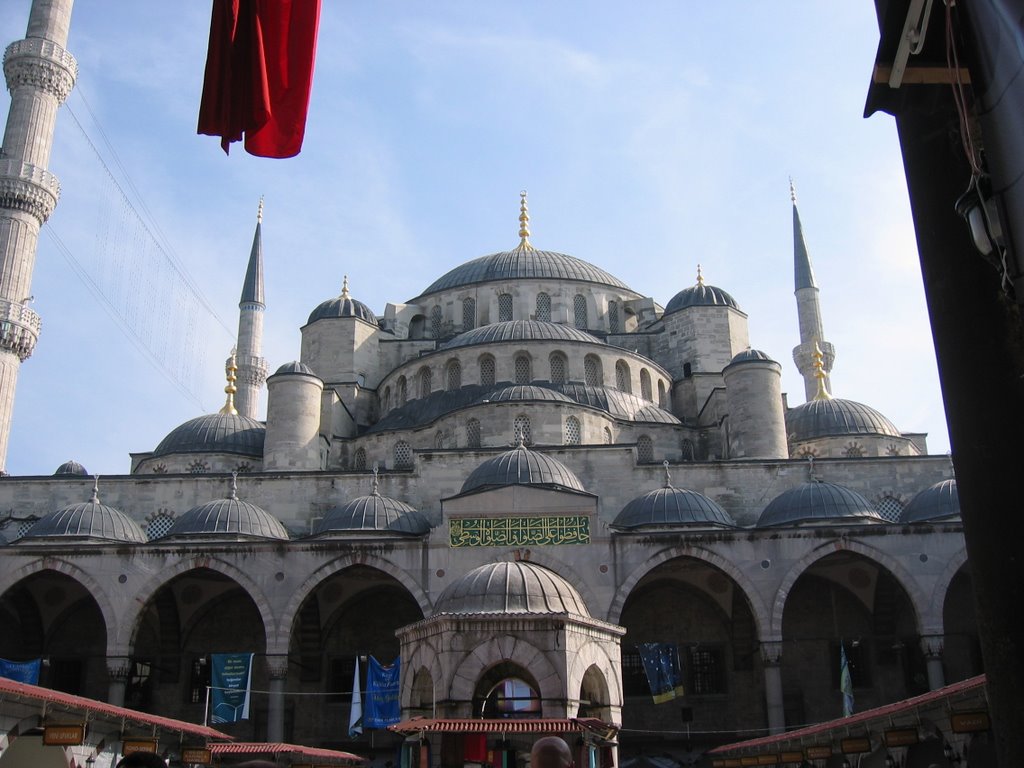
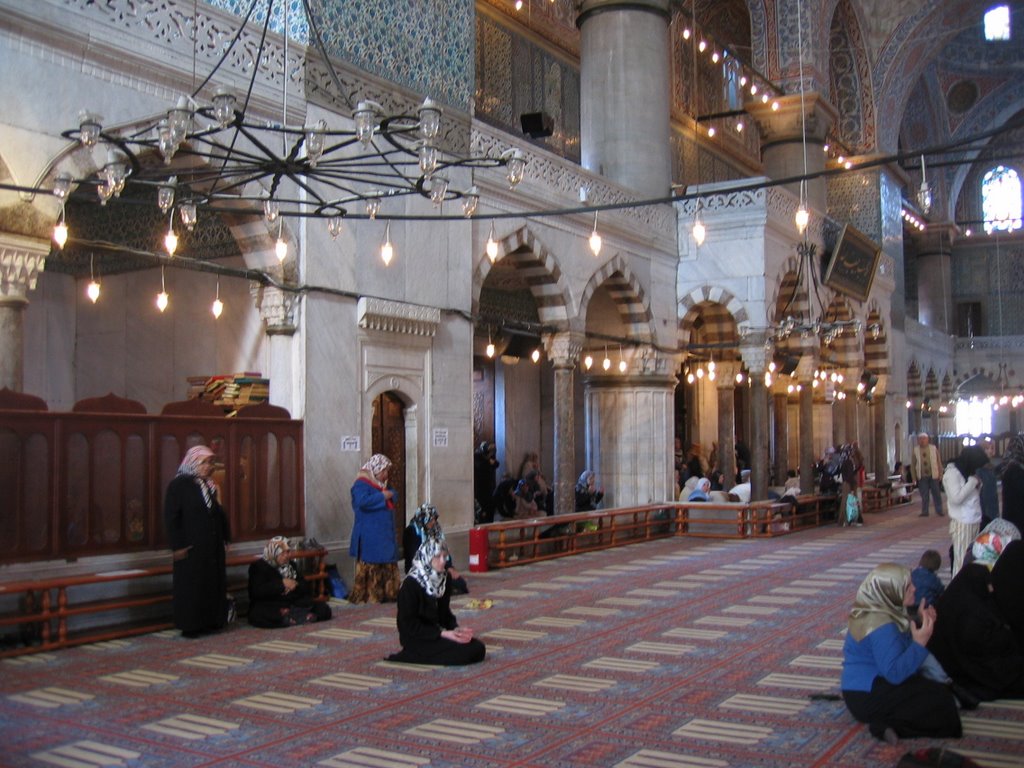
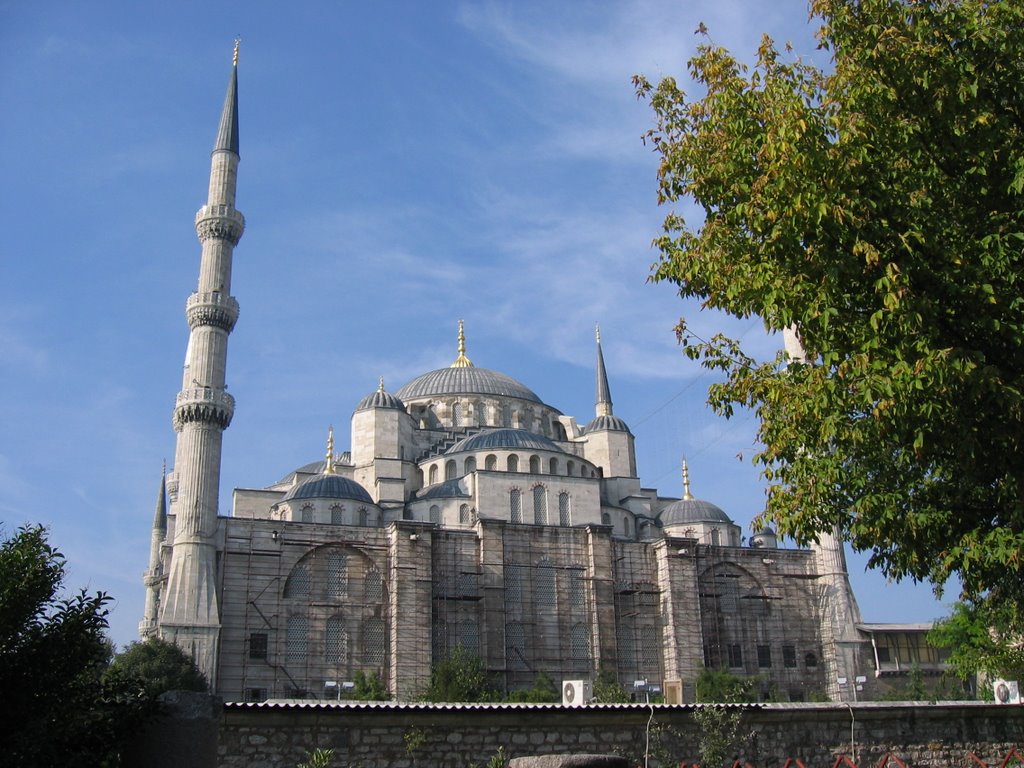
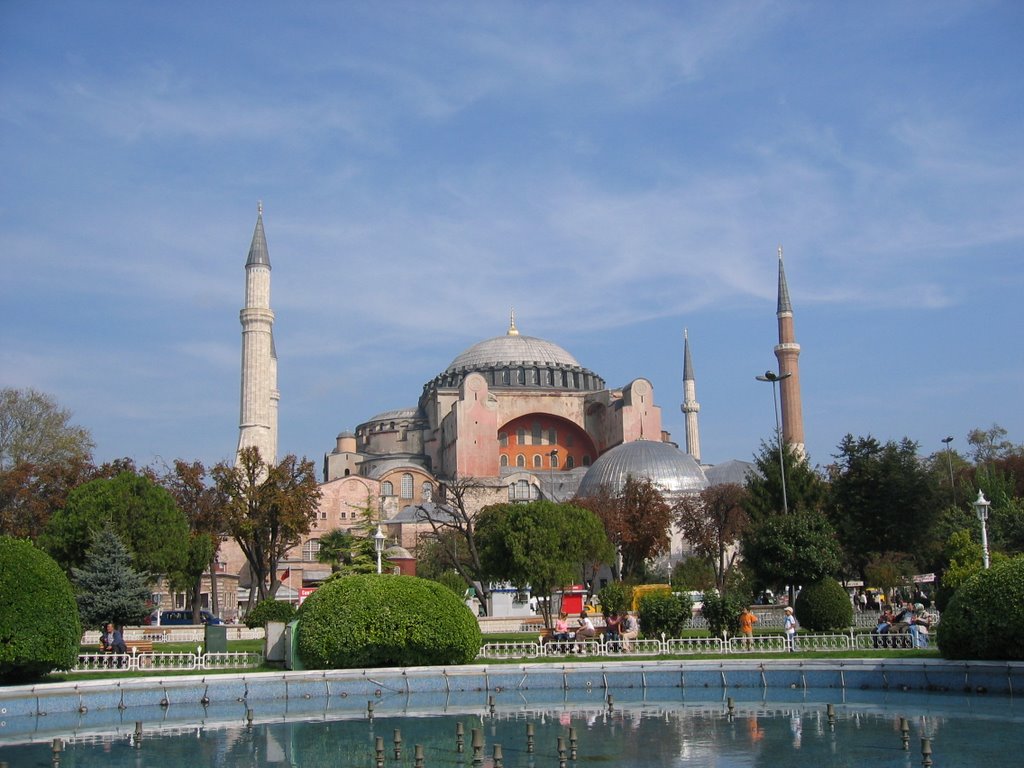
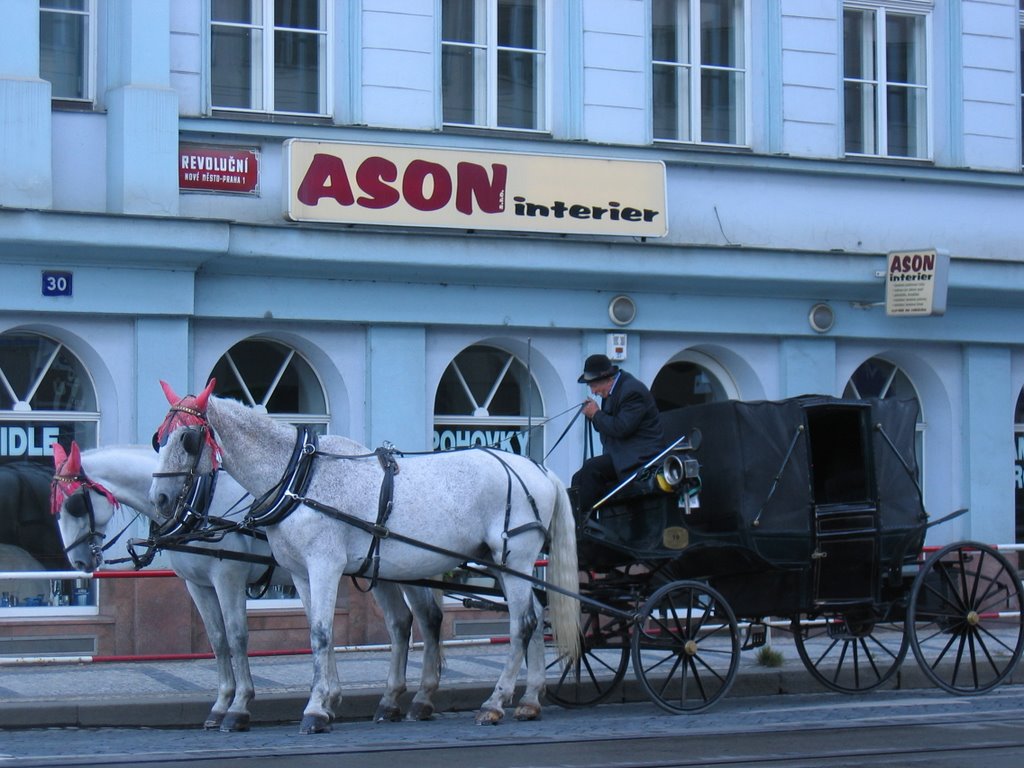
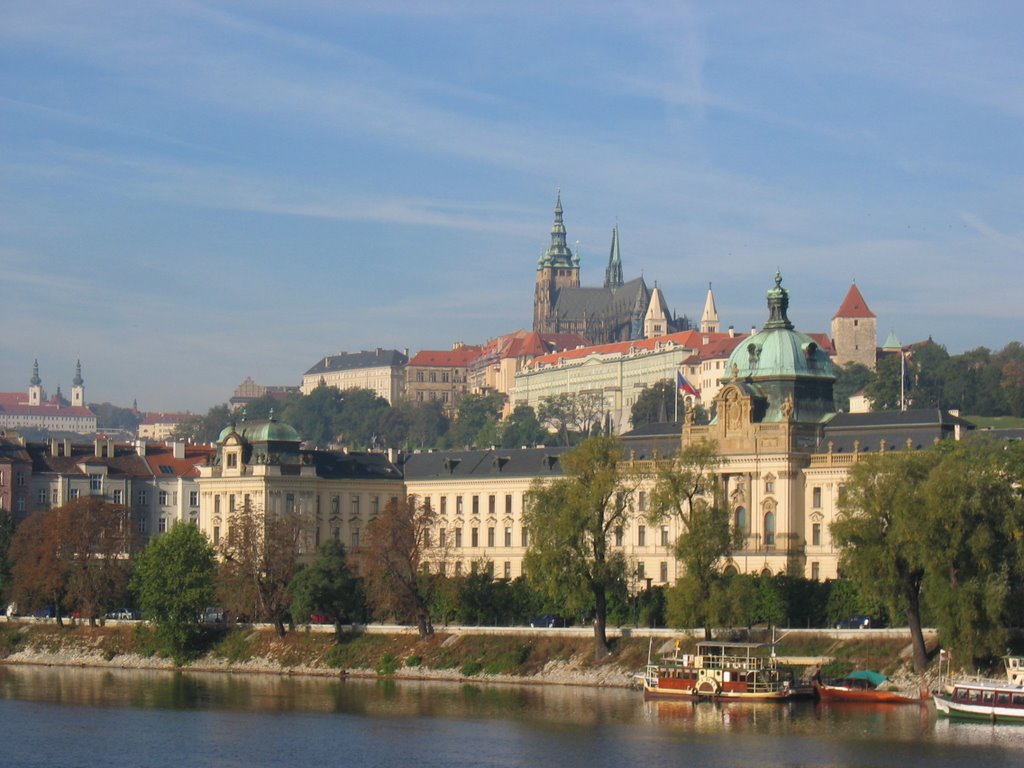
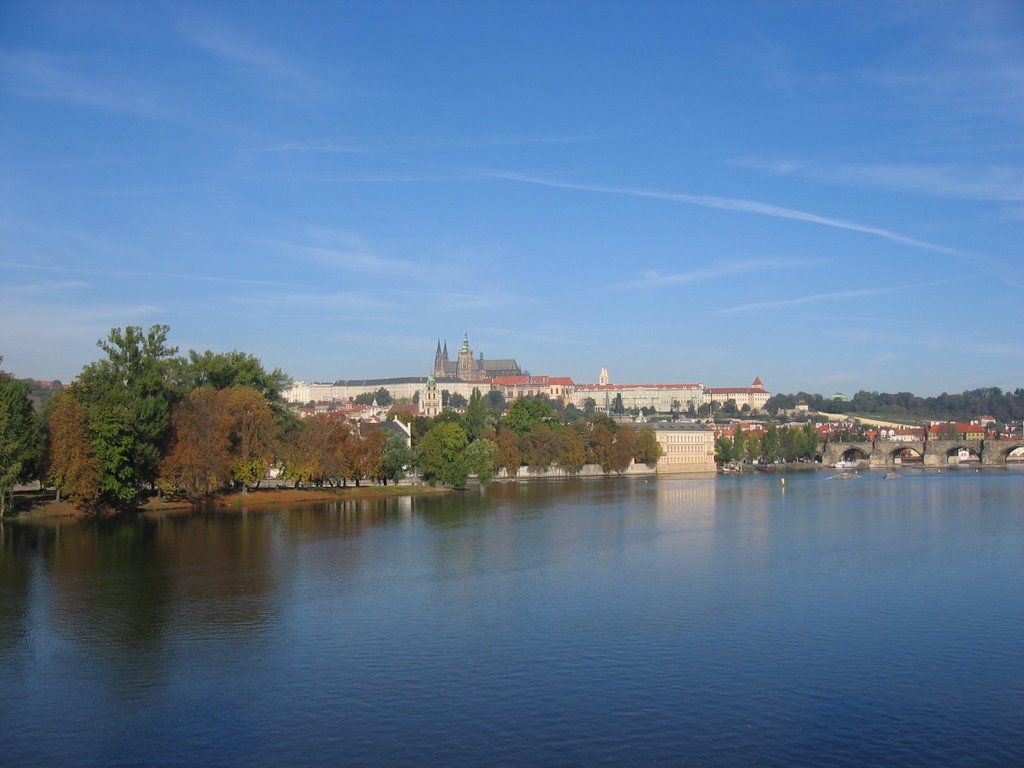
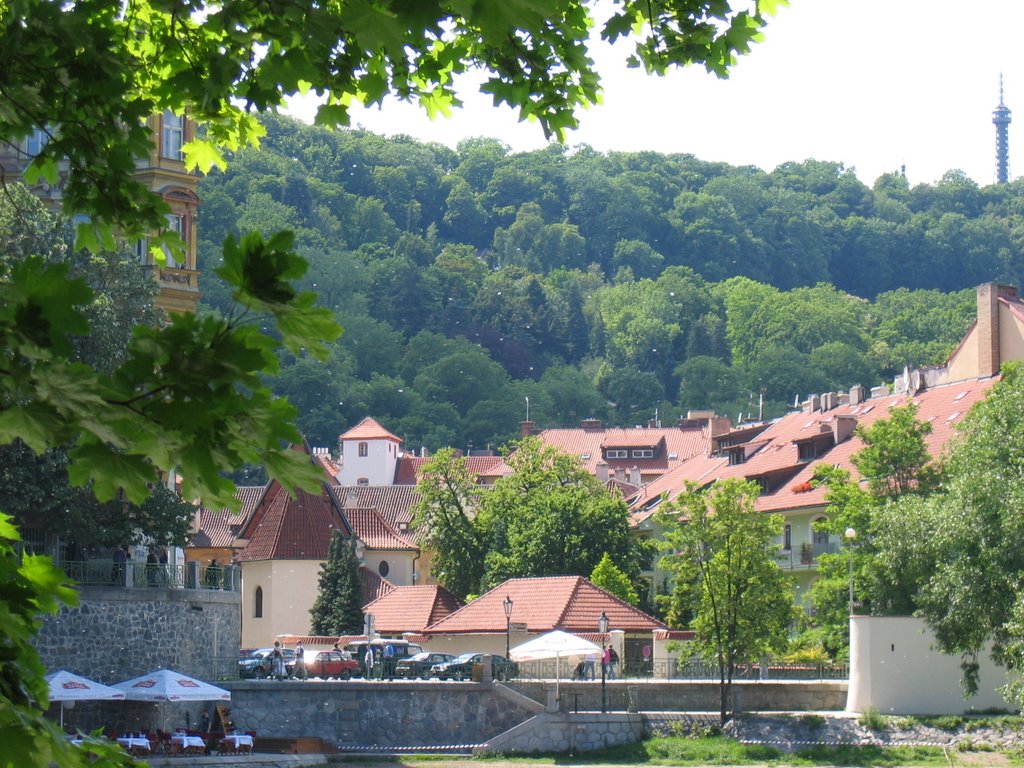
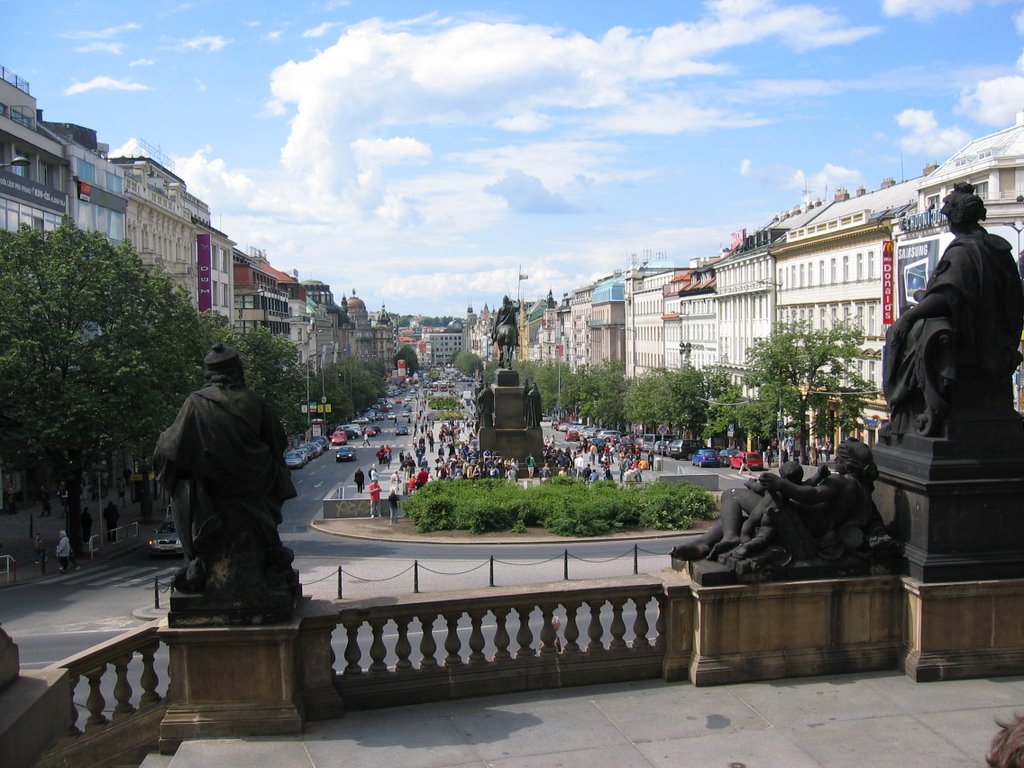
After a summer in Florida, I am back in Prague for a month. Like the rest of the world, Prague feels more tense to me than it did in June. No stable government is yet in place following the June elections that ended in a tie. Terrorist threats have placed the city on high alert and there is now militia with big guns patrolling all the tourist-favored sites.
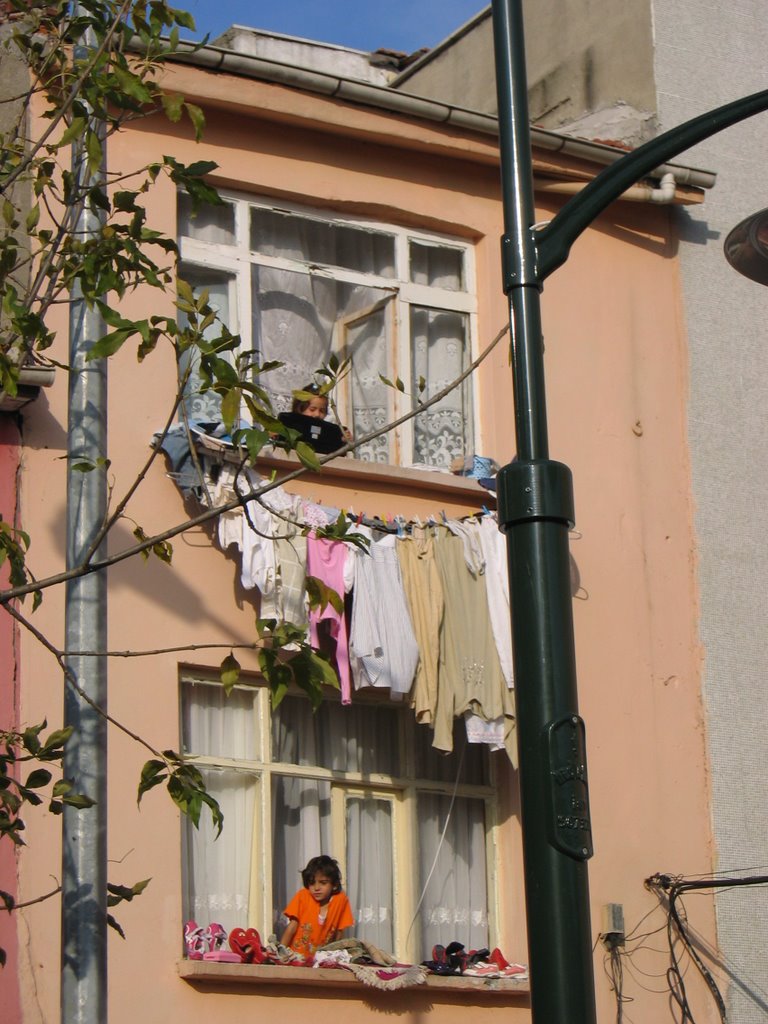
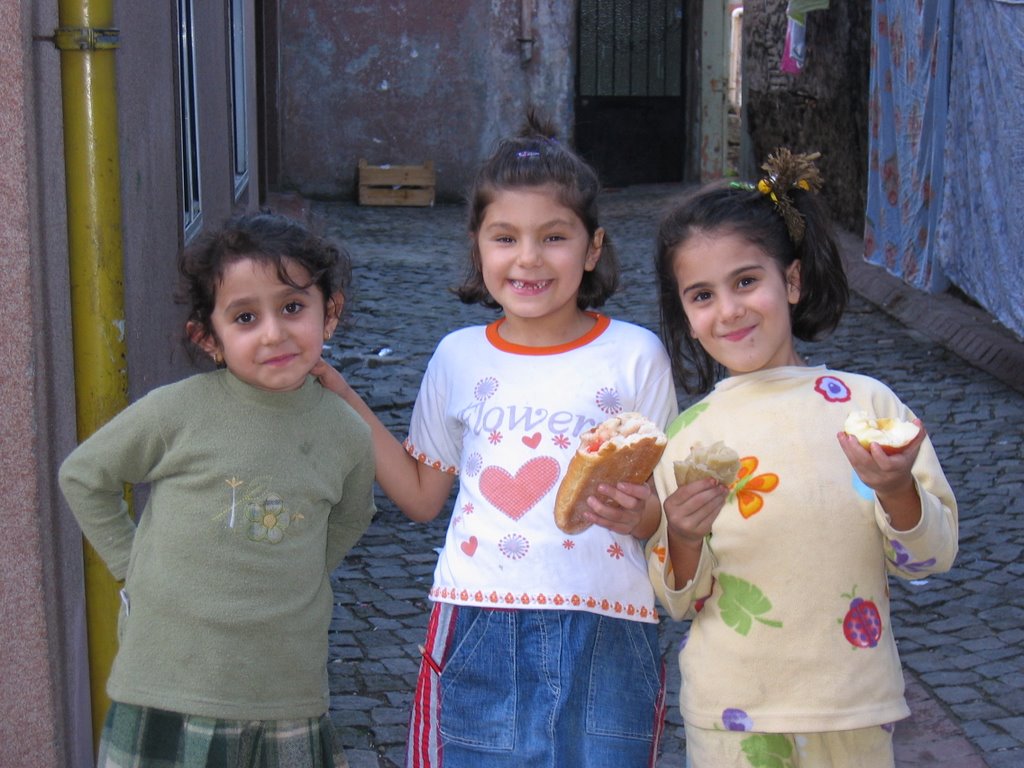
On the other hand, babies still wear hats to keep the drafts off of them, prams and pregnant women are abundant, younger people still offer their trams seats to older people, and the weather is, at last, neither too cold nor too hot.
I tried several times over the summer to write a closing entry for this blog. Its goal was to share my Fulbright experiences, and my Fulbright ended in June. Perhaps the reason I couldn’t complete the closing entry is that the Fulbright experience is an opening, not a closing.
The OpeningI have embarked on a new career phase. I resigned from my university position and co-founded, with my husband, a firm providing counsel on management communication and science policy to strengthen civil society. My return trip to Prague is part of this new endeavor.
I am again teaching a graduate course in the Civil Sector Studies program at Charles University, this time primarily as a distance education course using internet to interact with my students. I gave a half-day seminar at NYU-Prague on Marketing Communication, and I’ll guest lecture at the University of Economics on Strategic Communication. I have been talking to nonprofit and philanthropy colleagues about fund raising and about measuring the business impact of corporate giving. I will do presentations at the PASOS Conference in Istanbul next week, and the Czech Donors Forum Conference in Prague the following week.
I’m learning more about the nonprofit sector here and the challenges of working with EU funding when you are small and entrepreneurial, with thin infrastructure and modest staffing. EU funding comes as a grant to the government to support specific types of NGO activities. But the government does not necessarily have ministries established with missions or systems that match the funding. Not to mention that NGOs, by definition, are not eager to have their funding controlled by the government. There is a reason why NGOs self-define as what they are NOT. They are Non Governmental Organizations. How do NGOs maintain their autonomy when mega funding from the EU starts coming through government ministries? I am learning the new questions.
This blog’s life cycle will complete itself soon. This trip will bring it to the close, not because the Fulbright is at its end, but because the impact of the Fulbright is at its beginning. I will add a bit about what I am observing while in the opening act of this new phase. First, I want to look back at some last impressions from the spring.
PolitenessCzechs are polite. That they almost always offered a metro or tram seat to anyone "older" or anyone with children still amazes me. That they not only never cut in line, but even kept track of whose turn was next made foreigners seem like they were raised on another planet. That students always sent an email and apologized if they missed a class or if an assignment was late was quaint by the standards of my Florida students. They seemed to assume that I’d be polite and not mind their missing a class or turning in an assignment late. So I was. Politeness mellowed me.
The down-side of polite seemed to be that students didn’t want to raise an opinion in class that they suspected would not be the one I "wanted." I tried to be neutral of opinions. Even when I thought I succeeded, they were reluctant to have an opinion in case it might differ from mine. I suspect that reluctance to speak out hurts their learning considerably. It’s hard to debate ideas successfully, to brainstorm, to test your articulation of your thoughts against how others react to what you say. It is hard to accept input and modify your thinking when others make a good point. Without the university classroom as a place to practice those skills, I suspect the skills may not develop well and that the workplace may also suffer from a lack of exchange of ideas. I heard from some young employees that they felt intimidated and didn’t continue to offer their ideas when older managers seemed to resist at all.
This problem may also be facing American university students, not out of an abundance of politeness but out of an eagerness to take sides on issues. They seem often reluctant to analyze their positions and support them with data, historical perspective, or other reasoned approaches. Their support sometimes reminds me of rallying around a “team” rather than challenging the thinking that leads to critical decisions about society’s current and future actions.
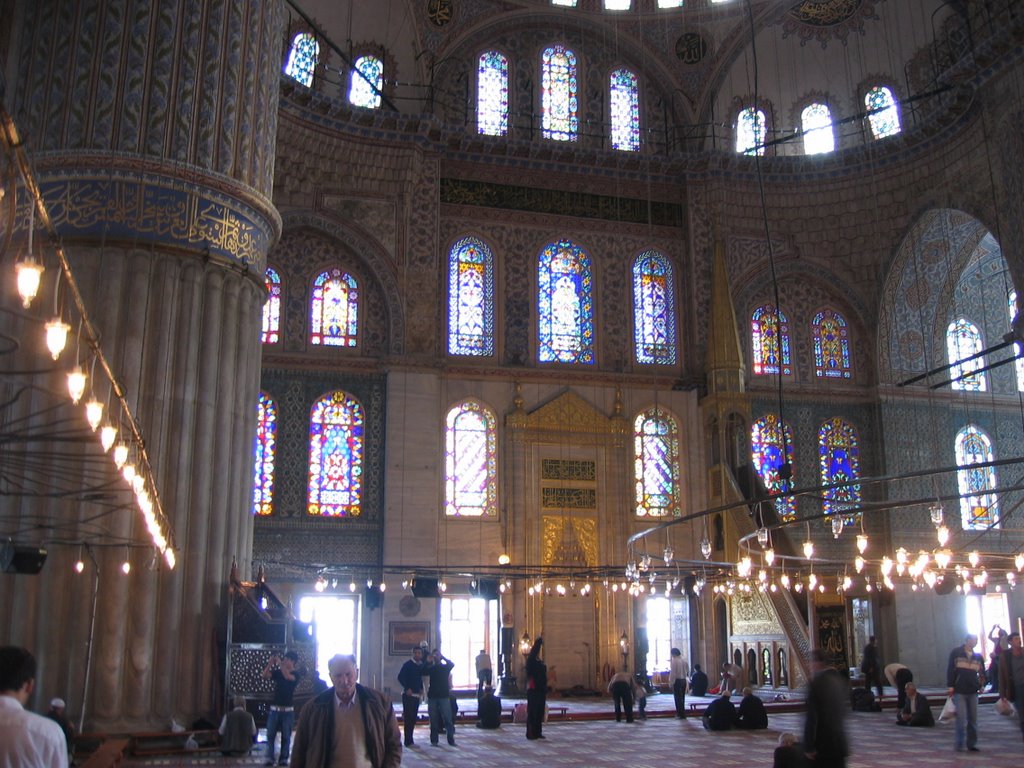
ReligionThe churches in the Czech Republic are used more for concerts and museums than for worship. When I visited Poland, the piousness of people was quite noticeable. We would walk into a church as tourists and there would be a group praying the rosary aloud together ... something I hadn't seen since I was in elementary school at St. Margaret Mary's. In Poland nuns and priests were abundant; there were even classes of kids on field trips led by nuns. Granted the pope was there when we arrived, but even given that unusual occurrence, there were many more people in habits than I'd seen in decades. It made me realize how much less religiosity I’d seen in Prague.
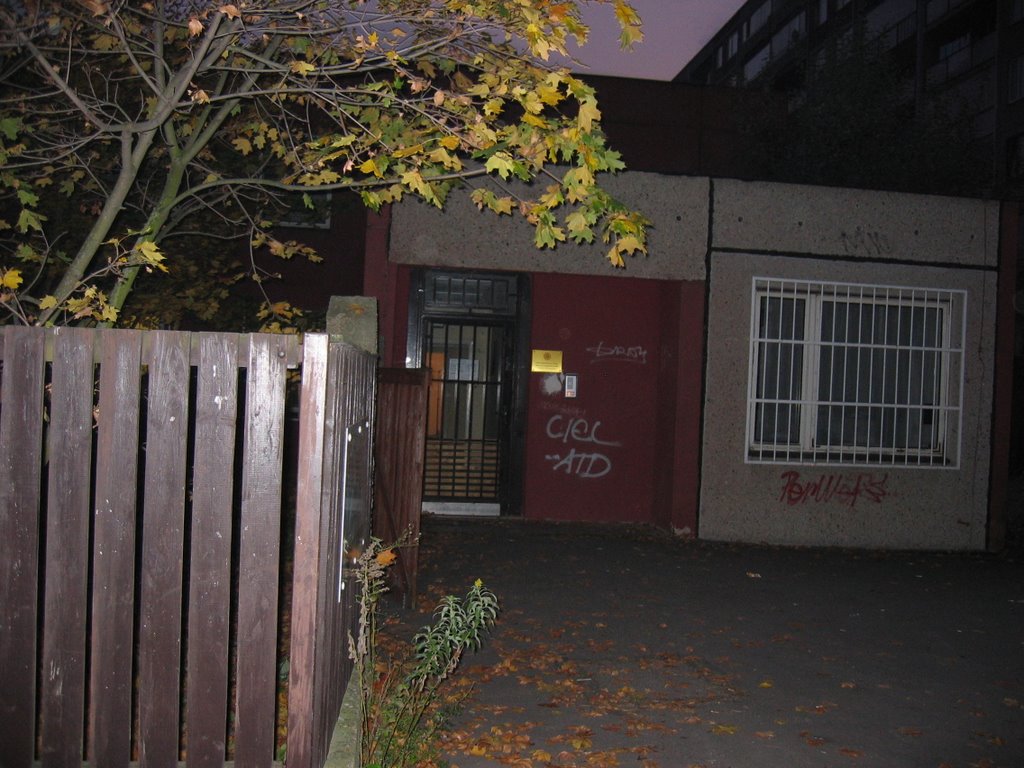
“More”The Czech Republic has more dogs, more graffiti, more babies in hats, more colorful hair, more women wearing scarves, more very-high heeled shoes, more large farms, more quaint villages with manicured homes, red tile roofs, and kitchen-vegetable gardens and many, many more babies than I saw when I visited in Poland, Romania, or Slovakia.
Steve, another Fulbrighter, studies population policy. He told us that the data indicate the Czech Republic is in demographic trouble, as is most of Europe, because there aren't enough babies to grow up and support all the current adults. But you'd never believe it from the number of prams and pregnant women in Prague. In fact, although the demographic studies are still said to be frightening,
I saw reports in the summer papers that this year saw an upturn in the number of kids enrolling in Czech elementary schools.
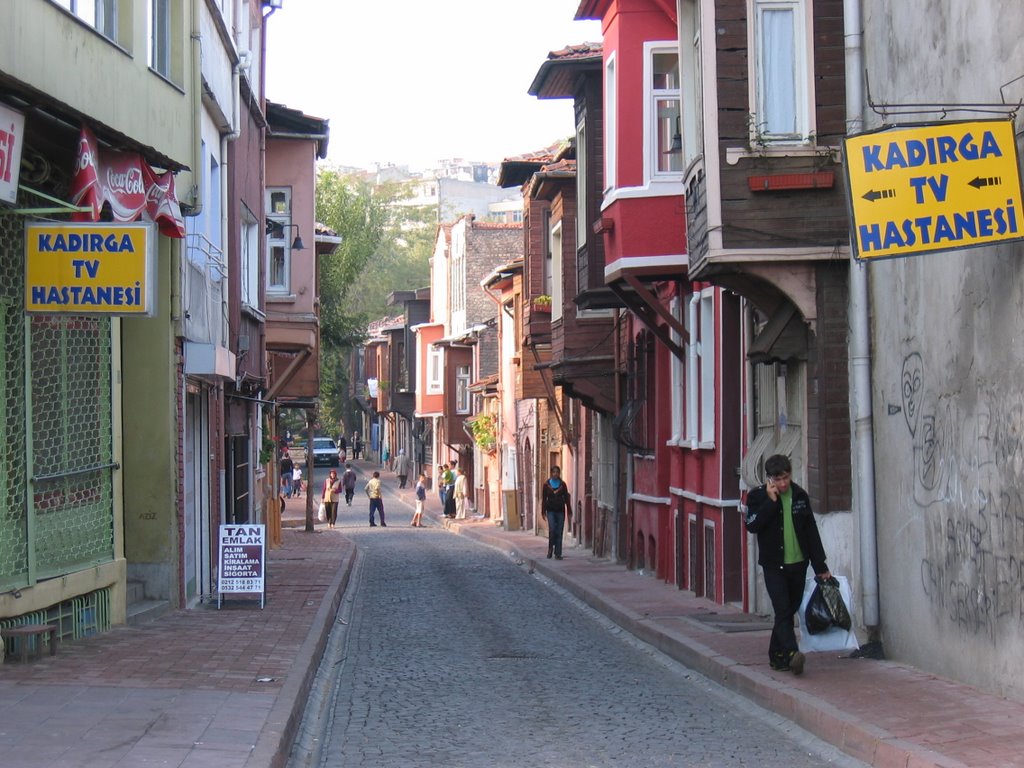
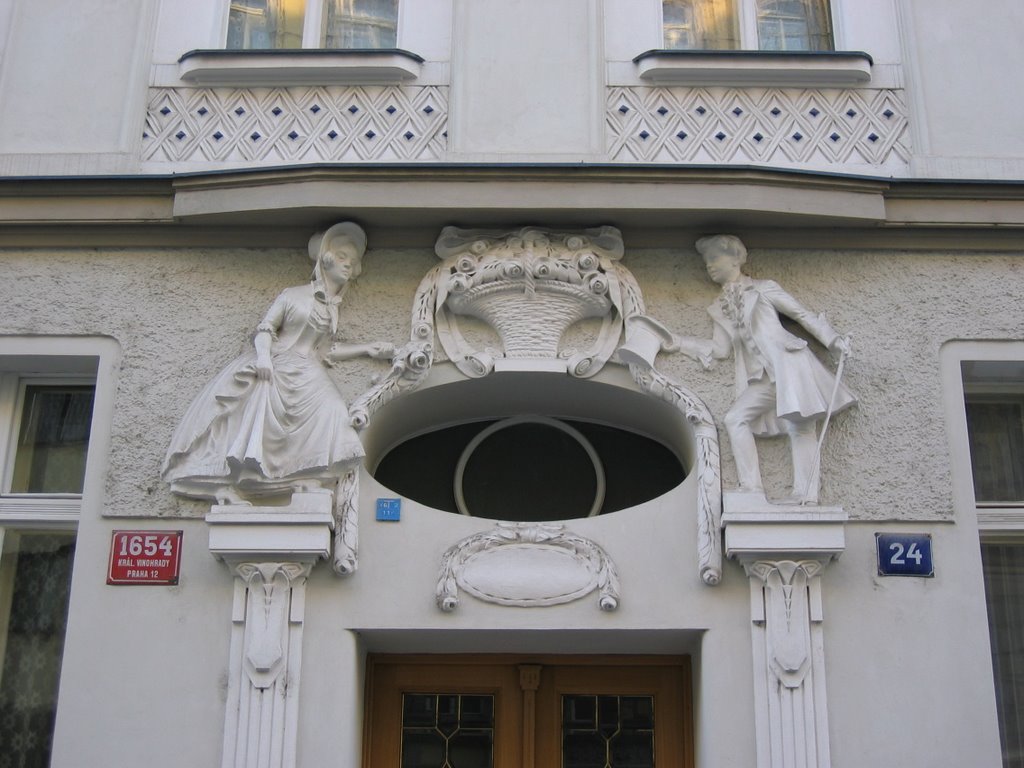
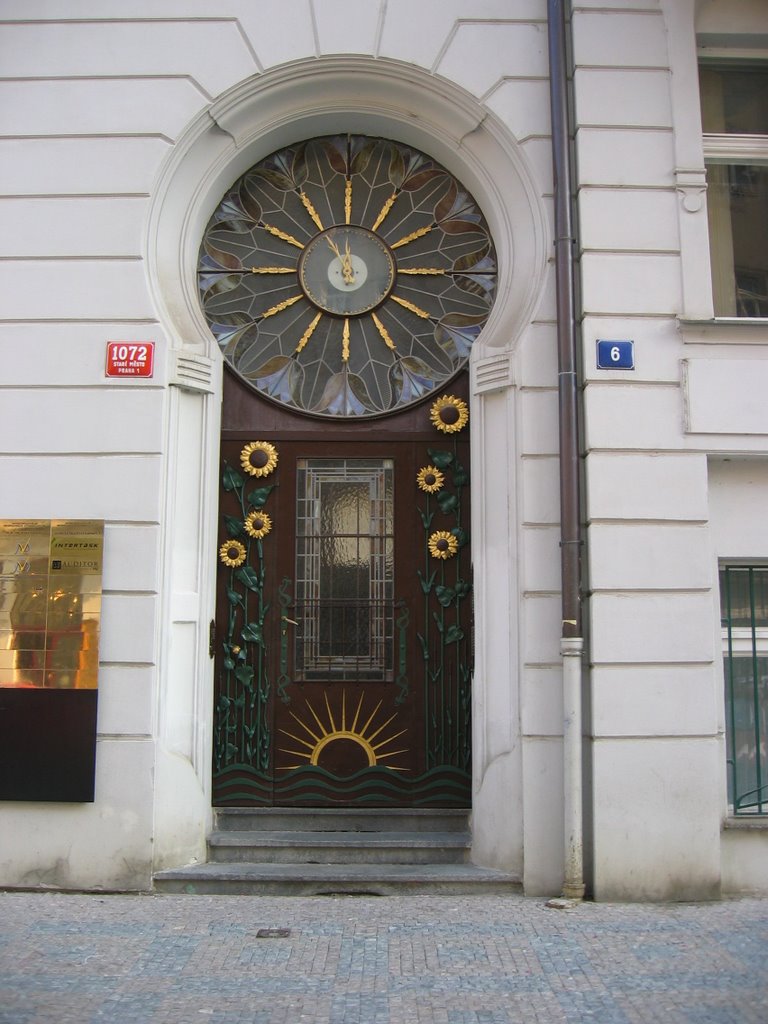
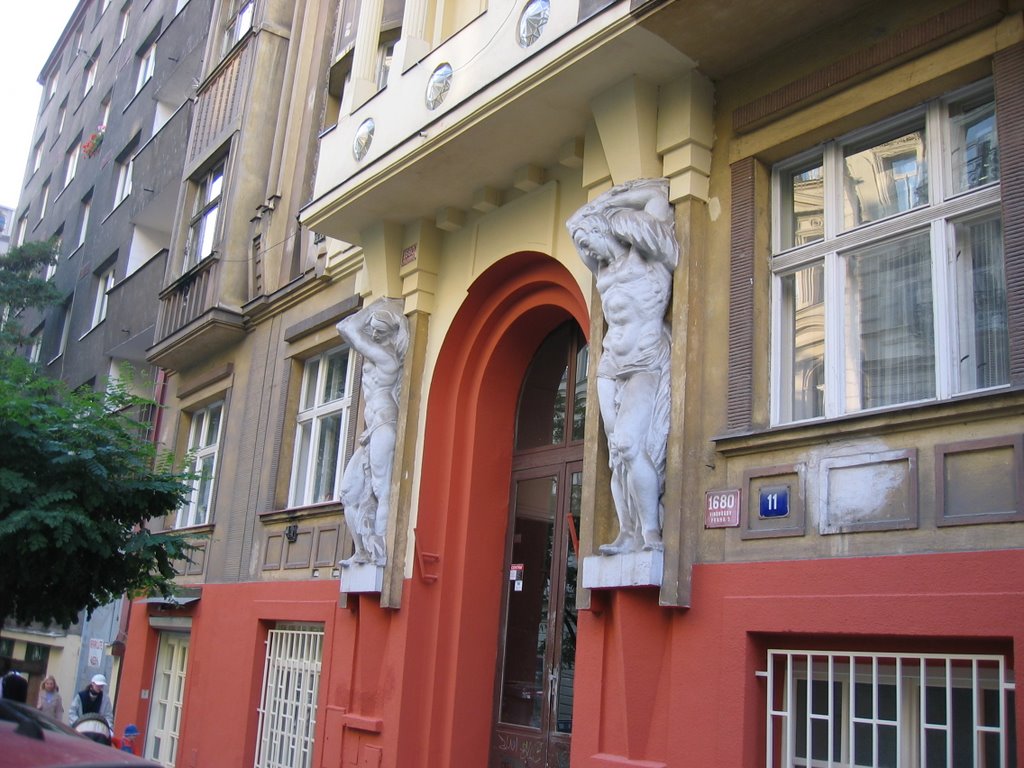
A Livable CityIt is a delight to live in a city where commercial and residential space co-exist. Whatever made Americans create zoning that discouraged having people live above stores and professional spaces? Our cities are empty and scary after work hours. At night in the Czech Republic, Slovakia, and Poland, people are out shopping, going to restaurants, and walking the pedestrian-only "centrums." City life feels good here. In the US it feels as if you must be rich enough to live in Georgetown or downtown Boston to get the same sense of good city life. I will greatly miss living in the city of Prague, and I can hardly believe I am saying that since I have always thought of myself as a country person.
UniversitiesI learned about the ambitious program put forward by the Bologna Treaty. In the past, variance among the universities from EU country to EU country made it hard for students to move among European universities and transfer credit from one to another. Grading systems and curricula were too different. The treaty is designed to help solve that problem.
Also there seems to be a strong sense that the research and graduate programs at American universities have outpaced those in Europe. Too many EU students go to the US for graduate school. The treaty’s program also addresses that problem.
Under the treaty, universities now will offer a three-year baccalaureate. It will build on the general background students get in gymnasium. These three-year baccalaureates will be specialist and professional degrees, not generalist or liberal arts degrees. After the baccalaureate, students can do a two-year master’s program. All my students at Charles University were in the master’s program in Civil Sector Studies.
The treaty requires that every undergraduate student write an original thesis! I cannot imagine it is possible to have every undergraduate succeed in such a requirement. How can the faculty possibly manage the resulting workload? My experience with good master’s students is that, even as graduate students, they need a lot of guidance and personalized help to produce an original thesis. I think implementation of the Bologna Treaty will be very challenging.
NonprofitsThe nonprofit world in America is pretty complex, but in the Czech Republic it is more so. Trust has always been a key element in the favored relationship that American nonprofit organizations have with the people and the government. Regulation of nonprofits is relatively light-handed in the US. For the most part, people trust that their volunteer time and their donations will be used well to accomplish stated goals.
In the Czech Republic, after the Velvet Revolution, the initial laws that enabled foundations to exist were too weak and many foundations were corrupt outlets for money laundering. By the time the law was strengthened, people had come to distrust foundations and sometimes other nonprofits, by association.
The legacy of communist-era nonprofits was also less than awe-inspiring. Under communism, people were expected to “volunteer.” Collective action did not spring up from grassroots but was orchestrated by government. It seemed to me, when I was here in the spring, that volunteerism continued to be viewed negatively.
Also, government leaders seemed to lean to an extreme interpretation of their role as elected representatives, seeing their mandate as near absolute to design laws and programs with very little input from the electorate except at the ballot box. Where government avoids input, nonprofit advocacy for minority or out-of-favor opinions is seen more as subversive than as informative.
Since nonprofits almost always are trying improve society and to influence government to recognize unmet needs, a government with this kind of extreme view of its role as representatives of the electorate tries to exert as much control as possible over the nonprofits, providing little funding and lots of scrutiny. Private funding is slim since the economy has not yet produced a level of wealth that makes people comfortable enough to think about giving. Corporate giving languishes. Companies still look at it as a means to increase their visibility and image with the general public and are quick to retreat from giving at the slightest indication of lower revenues or controversy.
Nevertheless, grassroots nonprofits are abundant. Civil society seems to be part of being Czech, like politeness. There are homeless shelters, advocacy groups, environmental organizations, and children’s aid societies. The Civil Sector Studies program is burgeoning. Young people want to be builders of civil society. They are idealistic, if not optimistic. When one of the fastest growing master’s programs at one of Europe’s oldest universities, and one that less than 20 years ago was under totalitarian rule, focuses on the Civil Sector, something is right with the world.